Theodore Lowe, Ap #867-859
Sit Rd, Azusa New York
Find us here
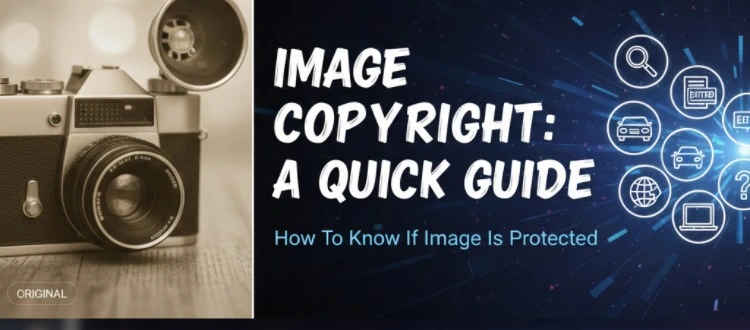
How To Know If An Image Is Copyrighted? A Quick Guide
You might worry about the legal consequences or the potential hit to your reputation. But what if you could easily determine an image’s copyright status and use it with confidence? Imagine the peace of mind and creativity that could unlock for you.
You’ll discover simple, practical steps to identify whether an image is copyrighted. By the end, you’ll have the knowledge to make informed decisions, freeing you to focus on what you do best—creating and sharing your unique vision. Dive in and empower yourself with this essential know-how.
Copyright Basics
Understanding copyright basics is essential for anyone using images online. Copyright laws protect creators' rights over their original work, including images. Knowing if an image is copyrighted helps avoid legal trouble and respects the creator's efforts. Let's dive into the fundamentals of copyright.
What Is Copyright?
Copyright is a legal protection for original works. It includes art, music, literature, and images. It gives creators exclusive rights to use and distribute their work. These rights help control how others use the images. Violating copyright can lead to penalties or lawsuits.
Importance Of Copyright In Images
Copyright ensures creators receive recognition and compensation. It protects their creative effort and investment. Images are valuable assets for businesses and individuals. Unauthorized use can harm the creator's reputation and income.
Respecting copyright fosters creativity and innovation. It encourages artists to produce more work. It also maintains a fair digital environment. Using copyrighted images without permission is risky. Always check the copyright status before using an image.
Identifying Copyrighted Images
Are you ever unsure if you can legally use an image you found online? Identifying copyrighted images is crucial to avoid legal issues and hefty fines. Let's dive into some practical ways to figure out if an image is copyrighted and how to protect yourself from using images illegally.
Checking Metadata
Metadata is like the DNA of an image—it contains information about the image's creation, author, and usage rights. To check metadata, right-click on the image file on your computer and select 'Properties' or 'Get Info' depending on your operating system. Look for fields such as 'Author', 'Copyright', and 'Camera Model'.
Sometimes, metadata reveals the copyright status directly. But what if it doesn’t? You might find clues about the photographer or the owner. Can you reach out to them for permission? Identifying metadata is a straightforward step that can save you from copyright headaches.
Reverse Image Search
Ever wondered where else an image appears on the internet? Reverse image search tools like Google Images or TinEye can help. Upload the image or paste its URL into the search bar.
You'll see a list of pages where the image is used. This can help you trace back to the original source. If the image appears on stock photo sites or galleries, it might be copyrighted. Discovering the origin of an image through reverse image search is a powerful method to confirm its status.
Using Copyrighted Image Databases
There are databases specifically designed to track copyrighted images. Websites like Creative Commons and Getty Images offer extensive libraries of licensed images. You can browse or search these databases to check if your image is listed there.
These platforms often provide licensing information upfront. Some require payment, while others may offer free use under certain conditions. Using these databases can simplify your search for copyright details, making it easier to use images legally.
Next time you find a stunning image, ask yourself: Is this worth the risk? Protect your work and reputation by ensuring the images you use are free of copyright issues. With these strategies, you'll be well-equipped to identify copyrighted images and use them responsibly.
Legal Implications
Understanding the legal implications of using copyrighted images is crucial. Many content creators unknowingly use protected images, risking legal issues. Copyright laws protect the rights of creators and their work. Using images without permission can lead to serious consequences. Below, we explore the potential outcomes and protections involved.
Consequences Of Using Copyrighted Images
Unauthorized use of copyrighted images can lead to significant penalties. Fines can be hefty, impacting your financial stability. Legal action may involve court appearances, which is both stressful and costly. Infringement can damage your reputation, affecting future opportunities. Some creators might demand removal of the image, disrupting your content.
Legal Protections For Creators
Copyright laws offer creators exclusive rights over their work. These rights include reproduction, distribution, and public display. Creators can license their work, earning revenue from their images. Legal protections help maintain artistic integrity and encourage creativity. By respecting these rights, we support the artistic community.
Alternatives To Using Copyrighted Images
To determine if an image is copyrighted, check for watermarks or credits. Use reverse image search tools. Explore resources offering royalty-free images as alternatives.
Are you tired of worrying whether the image you found on the internet is safe to use? Using copyrighted images without permission can lead to legal troubles. Fortunately, there are alternatives that allow you to use images freely and legally. These options can help you avoid copyright issues and enhance your content without any stress.
Public Domain Images
Images in the public domain are free to use without any restrictions. These are works whose copyright has expired or were never protected by copyright. Think of them as gifts from the past or present creators. Websites like Wikimedia Commons and Pixabay offer vast collections of public domain images. Next time you're searching for an image, consider these sources. You might find the perfect picture that suits your needs.
Creative Commons Licenses
Creative Commons licenses offer a flexible way to use images. They provide varying levels of permissions, from fully open to more restrictive. Creators choose how their work can be used. Some might allow you to use their images as long as you credit them. Others might let you modify the image with no strings attached. Make sure to check the license type. It’s a win-win situation when you find an image that fits your project and respects the creator's wishes.
Stock Image Resources
Stock images are like a treasure trove for content creators. These platforms offer high-quality images for a fee or sometimes for free. Sites like Shutterstock, Getty Images, and Unsplash are popular choices. They provide a wide range of images, from professional-quality to artistic shots. Consider investing in stock images if you want unique and high-quality visuals. They can make your content stand out and ensure you're on the right side of copyright laws.
What’s your favorite way to find images for your projects? Sometimes exploring different options leads to discovering hidden gems that perfectly fit your needs.
Seeking Permissions
Understanding whether an image is copyrighted and seeking permissions can feel daunting. But it doesn't have to be! You might have found the perfect image online and want to use it in your project. The question is, how do you ensure you're not infringing on someone's rights? The answer often lies in seeking permissions from the copyright owner, and this involves a few straightforward steps.
Contacting The Copyright Owner
Start by identifying the copyright owner. Sometimes, it's as simple as checking the website where you found the image. Look for a "Contact" or "About" section, which can often provide information about the creator.
Once you've identified the owner, draft a polite email asking for permission. State clearly why you want to use the image and how you plan to use it. Personal experiences have shown that being upfront and respectful often results in positive responses.
If the owner is unresponsive, consider reaching out through social media platforms like Twitter or LinkedIn. Sometimes a direct message can yield quicker replies. Have you tried using social media to contact someone before?
Understanding Licensing Agreements
Licensing agreements are crucial in determining how you can use an image. These agreements outline the terms under which you can use the image legally. Make sure to read them thoroughly.
There are various types of licenses, such as Creative Commons, Royalty-Free, or Rights Managed. Each has its own set of rules. For instance, a Creative Commons license may allow free use with attribution, while a Royalty-Free license might require a one-time fee. It's essential to understand what you're agreeing to.
Don't assume all images are free to use just because they're online. Even if an image is easily accessible, it might still have restrictions. Have you ever overlooked a licensing agreement and faced consequences?
Seeking permissions is about respecting the rights of creators while using their work responsibly. You have the tools to navigate this process effectively. With a little effort, you can ensure that you use images ethically and legally. So, why not take the time to do it right?
Tools And Resources
Discovering if an image is copyrighted involves using tools like Google Images' reverse search. This helps identify the source and copyright status. Websites like TinEye and Creative Commons provide additional resources to check image rights effectively.
Finding out if an image is copyrighted can feel like a daunting task, but with the right tools and resources, it becomes much easier. Whether you're a blogger, a small business owner, or just someone who loves sharing content online, knowing how to check for image copyrights can save you from potential legal headaches. This section will guide you through some of the best tools and resources available to help you navigate the world of image copyrights effectively.
Online Tools For Copyright Checks
In today’s digital age, several online tools can help you determine if an image is copyrighted. Google Images is a great starting point. You can perform a reverse image search by uploading an image or pasting its URL, and Google will show you where the image appears online. Additionally, tools like TinEye offer a similar reverse search function. It's quick and provides detailed information about the image's usage history. If you’re looking for something more comprehensive, Pixsy not only checks for copyright but also offers solutions if your images are used without permission. Have you ever wondered how easy it could be to find the image source with just a click? These tools answer that question by simplifying the process and giving you peace of mind.
Educational Platforms On Copyright Law
Understanding copyright law can feel overwhelming, but educational platforms can break it down into digestible bits. Websites like Coursera and Udemy offer courses specifically focused on copyright law. These courses often include video lectures, quizzes, and community discussions to deepen your understanding. Another excellent resource is Khan Academy, which provides free educational material on various legal topics, including copyright. Learning about copyright can empower you to make informed decisions about the images you use. YouTube also hosts countless tutorials and explainer videos that can help you grasp the basics of copyright law. Why not turn your next coffee break into a learning opportunity? These platforms can transform a complex subject into something you can easily understand and apply. By utilizing these tools and educational resources, you can confidently navigate the complexities of image copyrights. Your creative projects deserve the protection and respect that come with understanding the laws that govern them.
Conclusion
Knowing if an image is copyrighted is crucial. It helps avoid legal issues. Always check the source and licensing details. Use reliable tools for verification. Google Images and TinEye can help. Respect creators' rights. This fosters a fair online community.
Educate yourself on copyright laws. It benefits everyone in the digital space. Stay informed and share responsibly. This builds trust and credibility. With these tips, you can confidently use images. Your projects will remain both lawful and creative. Remember, respecting copyright is respecting creativity.
Related blog posts
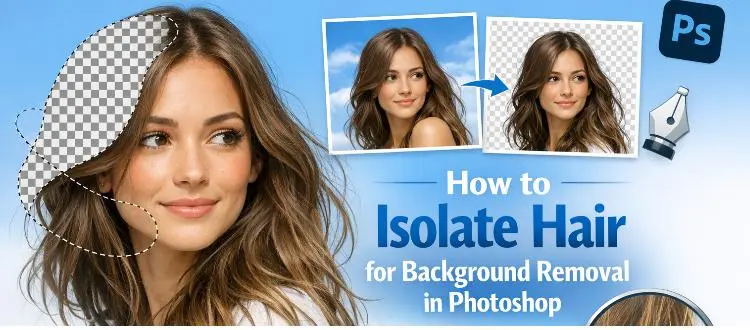
How to Isolate Hair for Background Removal in Photoshop
Are you tired of spending hours trying to perfectly isolate hair from a background in Photoshop, only to end up with messy, unnatural edges? You're not alone.
Clipping Path Associate has empowered businesses globally for over 12 years. A passionate team is dedicated to providing meticulous photo editing services. Expertise is offered in a range of areas, from precise clipping paths to flawless image retouching. The company offers straightforward yet impactful solutions tailored for photographers, e-commerce enterprises, advertising agencies, web design firms, magazine publishers, printing companies, and more.
We Accept : 