
Theodore Lowe, Ap #867-859
Sit Rd, Azusa New York
Find us here
Creative Use of Clipping for Dramatic Landscape Images
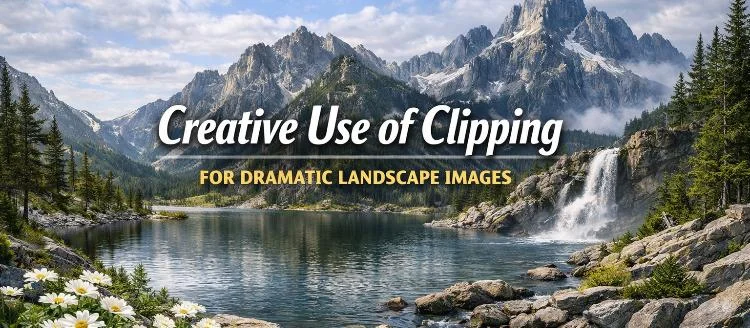
What if you could use a basic technique to turn your landscape photos into striking works of art? Discover the world of clipping, a creative technique that can help you take even better pictures. By experimenting with light and shadow, you can create powerful contrasts that grab the viewer's attention and arouse feelings.
You may create amazing visual narratives from everyday scenes by perfecting this approach. Are you interested in discovering how clipping might transform your landscape photography? Explore this post to learn the techniques for taking captivating and motivating pictures.
Clipping Techniques
Clipping techniques transform ordinary landscapes into dramatic pieces of art. By adjusting light and shadows, photographers create images with depth and emotion. This technique helps in highlighting specific areas, making them pop. The result is a striking landscape that captivates the viewer.
Understanding Clipping
Clipping in photography refers to the loss of detail in the brightest or darkest areas. It occurs when a camera sensor records no data in these regions. Proper understanding helps photographers avoid unwanted loss of detail. This knowledge allows for creative control over the image's mood.
Types Of Clipping In Photography
There are two main types of clipping: highlight and shadow. Highlight clipping happens when bright areas lose detail. Shadow clipping occurs when dark areas lose detail. Both can affect the overall quality of an image. Knowing how each type works helps in creating balanced photos.
Highlight clipping brings attention to bright elements. This can add drama to a sunrise or sunset. Shadow clipping can emphasize mystery in a dark, moody scene. By mastering these techniques, photographers enhance their artistic expression.
Enhancing Landscape Images
Landscape photography captures the beauty of nature in its purest form. Sometimes, natural beauty needs a little enhancement to truly shine. Creative clipping techniques can transform images from ordinary to extraordinary. They allow photographers to highlight important elements. This technique can add dramatic effects to landscape images.
By strategically using clipping, photographers can enhance depth and contrast. This brings a dynamic feel to the picture. Clipping can also emphasize textures and details. This makes the image more engaging and lively.
Creating Depth And Contrast
Clipping enhances depth by separating foreground from background. This separation makes the image feel three-dimensional. It draws the viewer's eye into the photograph. Adding contrast through clipping highlights light and shadow. This contrast gives the image a bold appearance. It emphasizes the natural contours of the landscape.
Highlighting Textures And Details
Texture brings a photograph to life. Clipping helps showcase the fine details of textures. Rocks, leaves, and water can appear more vivid. This detail draws viewers into the scene. It makes them feel like they can touch the landscape.
Clipping also accentuates intricate details. Small elements stand out and catch the eye. This creates a captivating and immersive experience. The viewer is drawn into exploring every part of the image. The beauty of nature is in the details, and clipping helps reveal them.
Tools For Effective Clipping
Capture the essence of landscapes with clipping tools. Highlight dramatic contrasts and textures to enrich your images. Explore creative techniques for vivid results.
Capturing dramatic landscape images often requires more than just a keen eye for beauty. Clipping, the process of adjusting exposure levels to achieve the desired effect, is a powerful tool in your photography arsenal. With the right tools, you can transform an ordinary scene into a breathtaking masterpiece. Let's dive into the essential tools for effective clipping that can elevate your landscape photography to new heights.
Software And Applications
Editing software plays a crucial role in achieving precise clipping results. Programs like Adobe Lightroom and Photoshop provide robust tools for adjusting highlights and shadows. They allow you to control exposure levels with precision, ensuring that your images are perfectly balanced. Consider experimenting with mobile applications such as Snapseed or VSCO. These apps offer easy-to-use clipping tools on the go, making them perfect for travel photographers. The convenience of editing directly from your phone can lead to spontaneous creativity and unexpected results. Have you ever tried using a clipping mask in Photoshop? This feature can help you isolate specific areas of your image, giving you greater control over the final look. It’s a game changer for enhancing details and contrast in your landscapes.
Camera Settings And Equipment
Starting with your camera, setting the right exposure is crucial for effective clipping. Use the histogram feature to monitor exposure levels directly from your camera. This will help you avoid overexposed highlights or underexposed shadows during the shoot. Investing in a camera with a wide dynamic range can make a significant difference. It allows you to capture more detail in both the brightest and darkest parts of your image. Consider using neutral density filters to manage exposure in bright conditions, giving you greater flexibility with your settings. Don’t underestimate the power of shooting in RAW format. RAW files retain more data than JPEGs, providing you with greater latitude in post-processing. This extra information can be invaluable when adjusting exposure levels for optimal clipping. What tools have you found essential for clipping in your landscape photography? Share your experiences in the comments and let’s learn together!
Creative Clipping Ideas
Creative clipping transforms landscape photography into an art form. A simple technique, it adds depth and interest to images. Clipping allows photographers to frame their shots uniquely. This technique emphasizes certain elements while creating a story within the image. Each clipping choice can lead to a different mood or focus. Here are some creative clipping ideas to enhance your landscape photography.
Silhouette Effects
Silhouette effects create striking images by highlighting outlines. They work best during sunrise or sunset. Position your subject in front of a bright sky. This technique creates contrast and drama. The subject appears dark against the vibrant background. Silhouettes add mystery and intrigue to landscapes. They focus on shapes rather than details. This makes them powerful storytelling tools.
Dramatic Lighting And Shadows
Dramatic lighting transforms ordinary landscapes into extraordinary scenes. Use natural light to your advantage. Early morning and late afternoon offer the best light. Shadows add depth and texture to images. They enhance the mood and create dynamic compositions. Clipping can highlight these elements beautifully. Focus on the interplay between light and dark. This creates a balanced and captivating photo.
Avoiding Common Mistakes
Clipping is a powerful tool for creating dramatic landscape images. But it comes with pitfalls. Many photographers make common mistakes that ruin their photos. By being aware, you can avoid these errors and create stunning images. Let's explore the most frequent mistakes and how to steer clear of them.
Overexposure And Underexposure
Overexposure can wash out your landscape photos. It reduces detail and flattens colors. To avoid this, check your camera settings carefully. Use the histogram tool to spot overexposed areas.
Underexposure is another issue. It can lead to dark, muddy pictures. Ensure your image captures enough light without losing detail. Adjust ISO and shutter speed to find the right balance.
Maintaining Natural Look
Excessive clipping can make photos look unnatural. Too much contrast or saturation disrupts the natural appeal. Keep an eye on how adjustments affect the overall image feel.
Use subtle edits to enhance rather than alter nature's beauty. Review your edits and ensure they don't stray too far from reality. Aim for a photo that feels vibrant yet believable.
Tips From Professionals
Professional photographers often use clipping techniques to create stunning landscapes. This involves selectively highlighting certain areas, adding depth and drama. Experimenting with different lighting and angles enhances the visual impact, making landscapes captivating and memorable.
Capturing dramatic landscape images can be a thrilling experience. The creative use of clipping, a technique where parts of an image are intentionally overexposed or underexposed, can add a unique touch to your photographs. Professional photographers have mastered this art, and their tips can help you elevate your landscape photography.
Expert Advice And Insights
Many professional photographers recommend starting with the basics of exposure. Understanding the play between light and shadow can transform a mundane scene into a captivating masterpiece. Experiment with different times of the day to see how the light affects your landscape. Use tools like histograms to guide your exposure settings. They help you see the balance between dark and light areas in your image. This insight is crucial when deciding which parts of your image to clip for dramatic effect. Consider the mood you want to convey. Clipping can add a sense of mystery or highlight a striking contrast in your scene. Always ask yourself what story you want your image to tell.
Personal Experiences And Techniques
A seasoned photographer once shared how a foggy morning transformed his perspective on clipping. The fog naturally clipped parts of the landscape, creating a serene and otherworldly atmosphere. This experience taught him that sometimes nature does the work for you. When using clipping intentionally, try bracketing your shots. Take multiple photos at different exposures and merge them later. This allows you to choose which elements to highlight or obscure. Don't shy away from experimenting. One photographer found that by overexposing the sky, he could create a stark silhouette of a lone tree, making it the focal point of his image. This unexpected technique became a signature style in his portfolio. How can you push the boundaries of your landscape photography? Consider these professional tips and let your creativity guide you.
Conclusion
Clipping transforms your landscape images, adding depth and drama. It highlights important details and creates stunning contrasts. Experiment with shadows and highlights for unique effects. Remember, practice makes perfect. Try different settings and see what works best. Your creativity is the only limit.
Use clipping to tell a story with your photos. Capture emotions and the essence of the scene. Keep exploring new techniques to improve your skills. Enjoy the process and have fun with your photography journey. Clipping is a powerful tool to enhance your landscape images beautifully.
Related blog posts
How to Isolate Hair for Background Removal in Photoshop
Are you tired of spending hours trying to perfectly isolate hair from a background in Photoshop, only to end up with messy, unnatural edges? You're not alone.

Clipping Path Associate has empowered businesses globally for over 12 years. A passionate team is dedicated to providing meticulous photo editing services. Expertise is offered in a range of areas, from precise clipping paths to flawless image retouching. The company offers straightforward yet impactful solutions tailored for photographers, e-commerce enterprises, advertising agencies, web design firms, magazine publishers, printing companies, and more.
We Accept : 